How to Make Cold Brew Coffee at Home: A Complete Beginner’s Guide
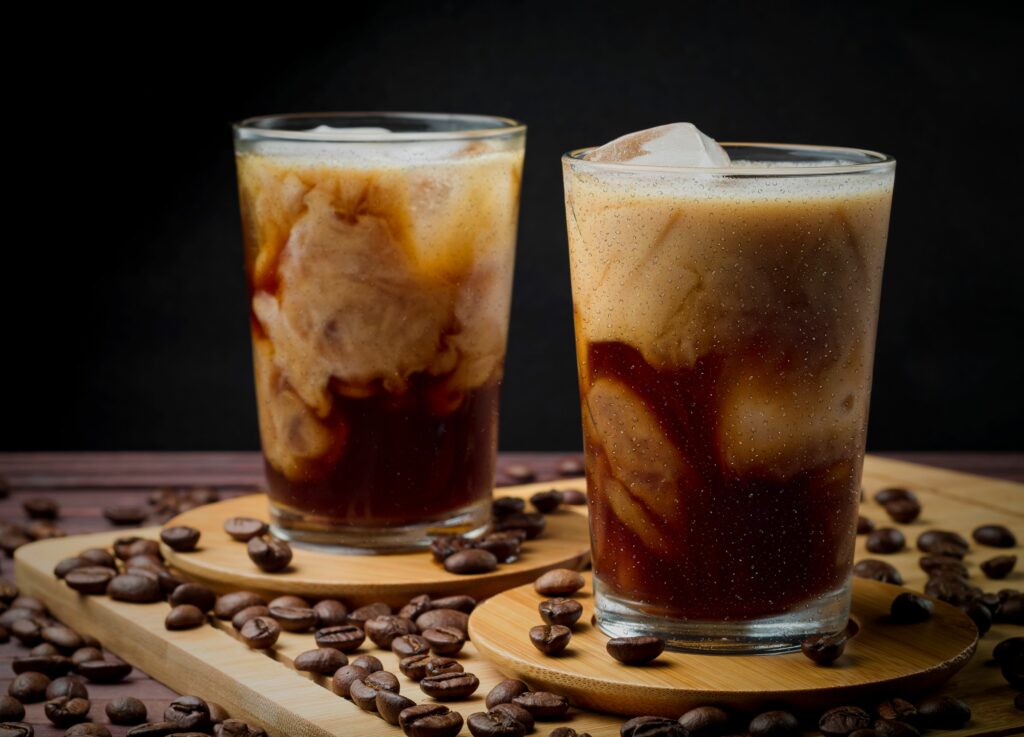
Cold brew coffee is one of the easiest ways to make coffee at home, and it doesn’t require any special equipment, heat, or precise timing down to the second. It’s also fundamentally different from iced coffee, even though the two get confused constantly. This guide covers exactly what cold brew is, the ratio and grind size that actually matter, and how to avoid the most common mistakes that turn a batch bitter or cloudy.
Cold Brew vs Iced Coffee: What’s the Actual Difference
These two drinks get treated as interchangeable, but they’re made in completely different ways and taste noticeably different as a result.
Iced coffee is regular hot-brewed coffee, made with heat, then poured over ice to cool it down.
Cold brew is never heated at all. Coarsely ground coffee steeps in cold or room-temperature water for an extended period — typically 12 to 24 hours — with no heat involved anywhere in the process.
Because no heat is used, the acidic compounds and some of the bitter molecules that heat normally pulls out of coffee stay behind in the grounds. The result is a smoother, noticeably less acidic cup than either hot coffee or iced coffee, with a rounder, often slightly chocolatey character.
The Grind Size That Actually Matters for Cold Brew
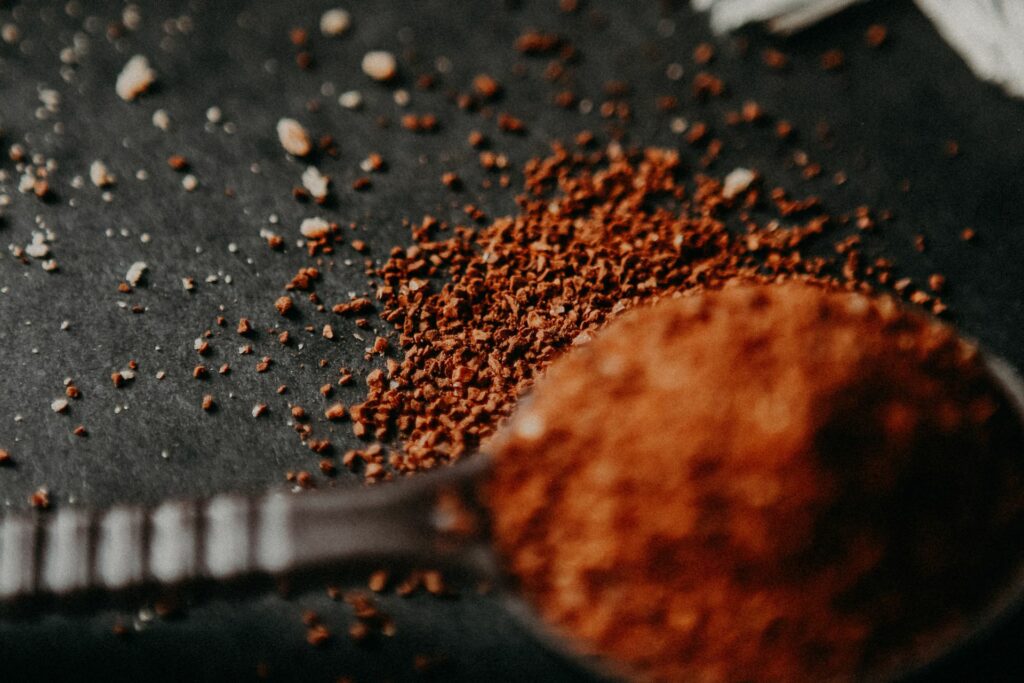
Cold brew requires a coarse grind, similar to French press or slightly coarser — roughly the texture of raw sugar or coarse sand.
This matters more than most beginners expect. A fine or medium grind, brewed for 12-24 hours, over-extracts badly — the extended steep time combined with more surface area from finer particles pulls out excess bitterness and produces a cloudy, astringent result. A coarse grind slows extraction down to match the long steep time, and also makes the coffee much easier to filter cleanly afterward.
A burr grinder set to a coarse setting produces consistent, evenly-sized particles. A blade grinder produces an inconsistent mix of fine dust and larger chunks, which is the single most common cause of bitter, muddy-tasting cold brew.
Cold Brew Ratios: Concentrate vs Ready-to-Drink
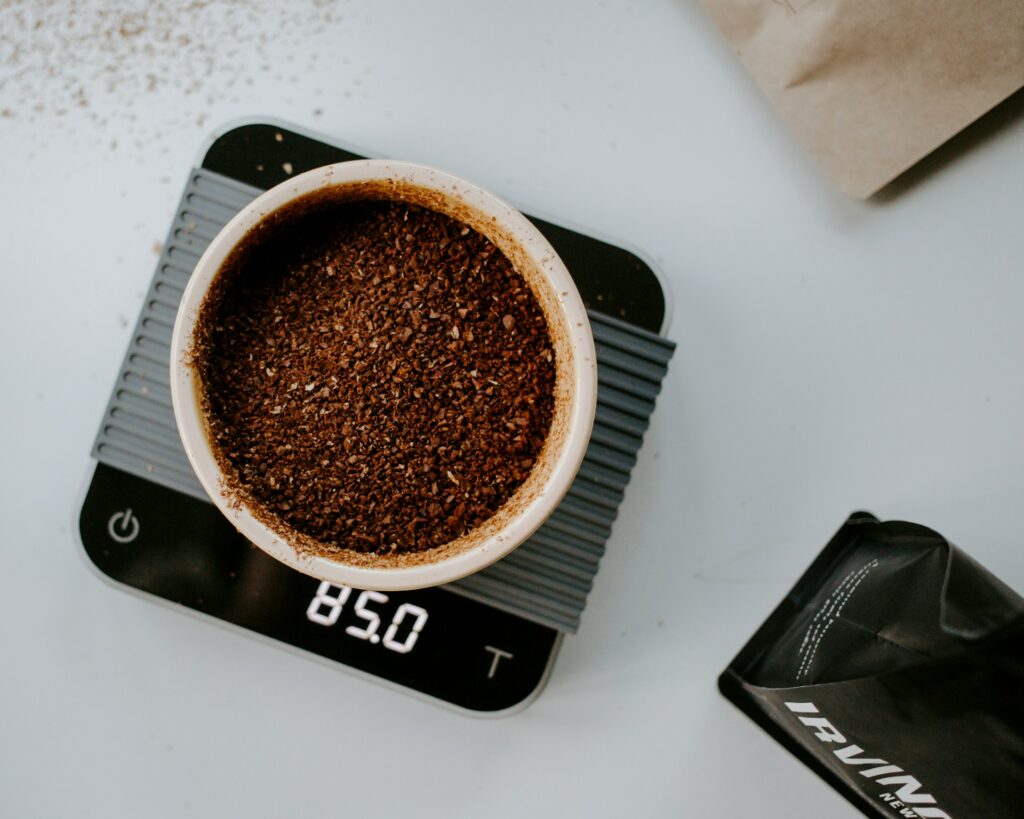
Ratio is the variable that determines whether you end up with a strong concentrate meant to be diluted, or a ready-to-drink coffee you can pour straight over ice.
Concentrate (meant to be diluted before drinking): Start around 1:4 to 1:8 coffee to water by weight — for example, 100g coffee to 500-800g water. Dilute the finished concentrate roughly 1:1 with water or milk before drinking.
Ready-to-drink (no dilution needed): Use a lighter ratio, around 1:12 to 1:15 — for example, 100g coffee to 1200-1500g water.
Making a concentrate rather than ready-to-drink coffee gives you more flexibility: you can dilute it stronger or weaker depending on the day, mix it with milk for a creamier drink, or serve it over ice without watering it down further as the ice melts.
How Long to Steep Cold Brew
Most cold brew is steeped somewhere between 12 and 24 hours, though the exact sweet spot depends on your grind, ratio, and personal taste.
Room temperature steeping: Roughly 12-16 hours, producing a slightly brighter result.
Refrigerator steeping: Roughly 16-24 hours, producing a smoother, more mellow concentrate. This is often easier for beginners, since you can start a batch in the evening and filter it the next afternoon without needing to watch the clock closely.
Avoid steeping longer than 24 hours regardless of method — beyond that point, flavor tends to flatten out and take on harsh, over-extracted notes rather than continuing to improve.
Step-by-Step: How to Make Cold Brew at Home
- Grind your coffee coarse — similar to French press texture, like raw sugar or coarse sand.
- Combine coffee and cold, filtered water in a large jar or pitcher, using your chosen ratio (start around 1:5 for a flexible concentrate).
- Stir once to make sure all the grounds are fully saturated.
- Cover the container and let it steep — 12-16 hours at room temperature, or 16-24 hours in the refrigerator.
- Filter the coffee through a fine mesh strainer, cheesecloth, or a paper filter to remove the grounds. Let gravity do the work rather than pressing or squeezing the filter, which pushes bitter fines through into your final cup.
- Store the filtered concentrate in a sealed glass container in the refrigerator.
- Dilute before serving if you made a concentrate — start with a 1:1 ratio of concentrate to water or milk, and adjust to taste.
How Long Does Cold Brew Last
Filtered cold brew concentrate keeps well in the refrigerator for about one to two weeks, provided it’s stored in a sealed container. Once diluted for drinking, it’s best consumed within a few days, similar to any other brewed coffee.
Always filter the coffee promptly once it reaches your desired strength — leaving the grounds sitting in the liquid for days after steeping is complete will continue to affect the flavor, even in the refrigerator.
Choosing Beans for Cold Brew
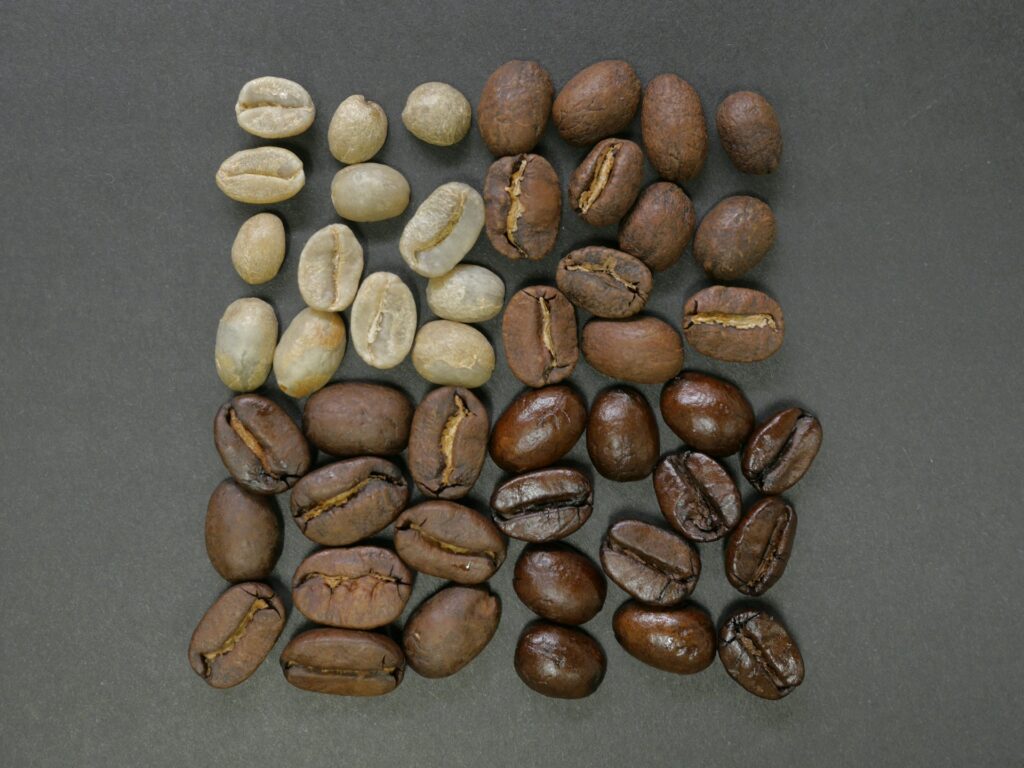
Cold brew works with beans from any roast level, but medium to dark roasts are particularly popular for this method, since the low-acid, smooth character of cold brewing tends to emphasize chocolate, nut, and caramel notes well. Lighter roasts can also work nicely if you prefer a brighter, more fruit-forward cup — cold brewing simply mutes acidity across the board, regardless of roast.
As with any brewing method, fresher beans produce a noticeably better result. Pre-ground coffee, particularly coffee ground for drip machines, is usually too fine for cold brew and will produce a cloudier, more bitter batch.
Common Cold Brew Mistakes to Avoid
Using a fine or medium grind. This is the most common mistake, and it produces a cloudy, over-extracted, bitter result almost every time. Stick to coarse.
Pressing or squeezing the filter. Forcing liquid through a filter under pressure pushes fine particles and bitter compounds into your final coffee. Let it drain naturally.
Steeping longer than 24 hours. More time does not equal better flavor — beyond 24 hours, cold brew tends to flatten and turn harsh rather than improve.
Using unfiltered tap water. Cold brewing has no heat to help mask mineral or chemical taste from hard water. Filtered water makes a real difference here.
Eyeballing the ratio instead of weighing. Cold brew is forgiving in many ways, but an inconsistent ratio is still the fastest way to end up with a batch that’s too weak or overwhelmingly strong. A basic kitchen scale removes the guesswork.

Summary
Cold brew is one of the most forgiving and accessible ways to make coffee at home — no heat, no precise timing to the second, and no specialized equipment required. The two variables that actually matter are grind size (always coarse) and ratio (concentrate around 1:4-1:8, ready-to-drink around 1:12-1:15). Get those right, steep for 12-24 hours, filter gently, and you’ll have a smooth, low-acid coffee that keeps well in the fridge for well over a week.