
Why Your Espresso Tastes Sour — The Under-Extraction Problem Most Beginners Miss
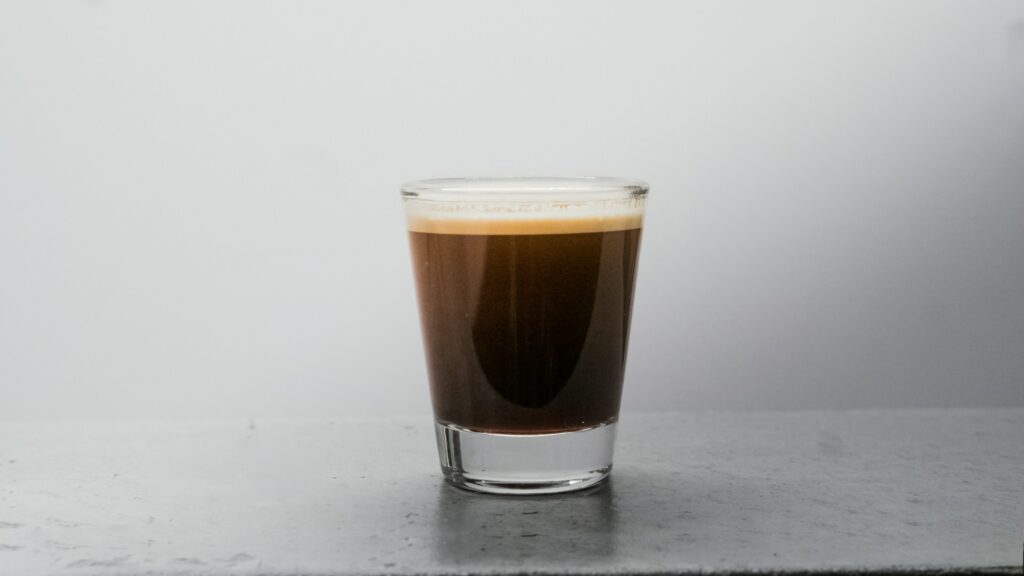
If your espresso tastes sharp, tart, or reminds you of lemon juice or green apple, you’re dealing with under-extraction. It’s one of the most common problems home baristas run into, and the good news is that it almost always comes down to one variable: grind size.
This guide explains exactly why sour espresso happens, what’s going on during extraction, and how to fix it step by step — without guessing.
Why Espresso Tastes Sour: The Under-Extraction Explanation
Espresso extraction pulls soluble compounds out of ground coffee in a specific, predictable order:
- Acids and bright flavors extract first
- Sugars and balanced flavors extract second
- Bitter compounds and plant fibers extract last
When a shot runs too fast — meaning water passes through the puck before enough time has elapsed — extraction stops in the first stage. You get mostly acids, very little sweetness, and almost no body. That’s what a sour shot tastes like: sharp, thin, unfinished, and unpleasant as it cools.
The key diagnostic: sour means under-extracted. Bitter means over-extracted. These are opposite problems with opposite fixes. Knowing which one you have tells you exactly which direction to adjust.
How to Tell If Your Espresso Is Under-Extracted vs Just Acidic
Not all acidity is a flaw. High-quality light roast espresso can have pleasant brightness — think stone fruit, citrus, or berry notes — which is intentional and desirable.
Under-extracted sourness is different. It feels:
- Sharp and puckering on the tongue
- Hollow and thin, with no sweetness or body
- Worse as the shot cools, not better
- Like lemon juice or green apple rather than balanced fruit
If your espresso tastes aggressively sour, hollow, and unpleasant rather than bright and complex, it’s under-extraction — not just the beans being acidic.
Espresso Grind Too Coarse: The Number One Cause of Sour Shots
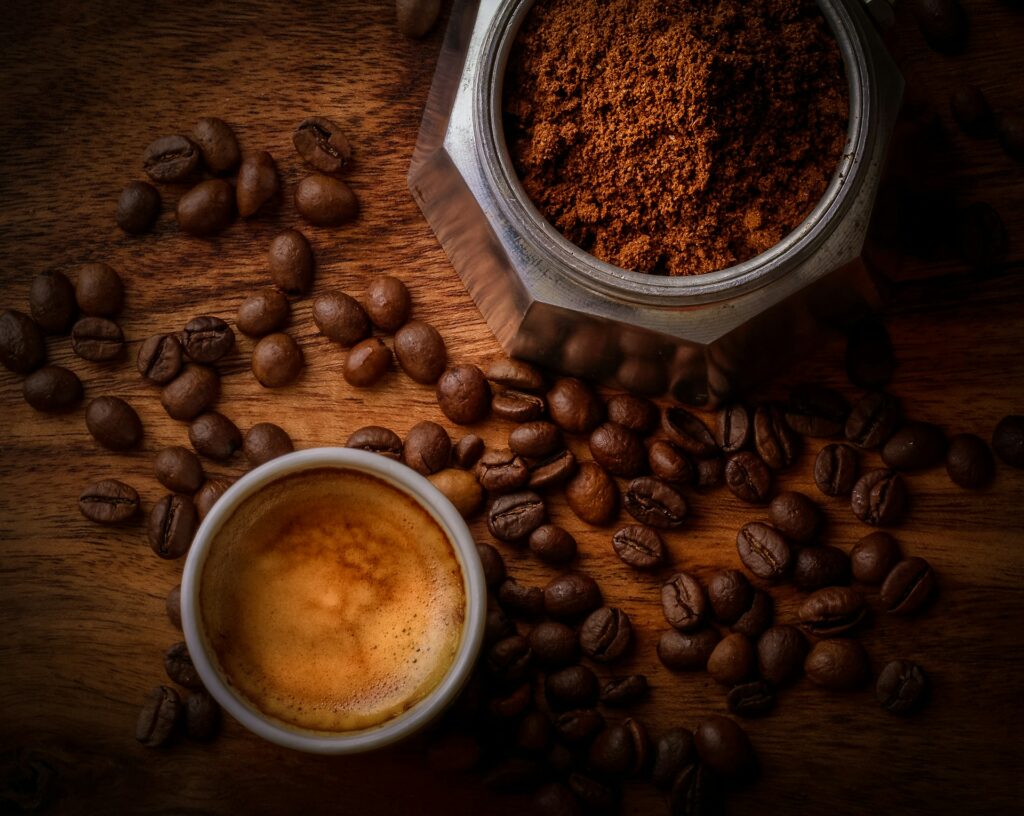
A coarse grind allows water to flow through the coffee puck too quickly. With less resistance and more space between particles, water rushes through without spending enough time to dissolve sugars and balanced flavor compounds — leaving you with acids and nothing else.
This is the cause of sour espresso in the majority of cases, and it’s the first thing to adjust before touching anything else.
The fix: Go one or two clicks finer on your grinder. Pull a shot and taste it. Repeat until sourness reduces and sweetness starts to come through. Change only grind size — adjust one variable at a time so you know what actually fixed it.
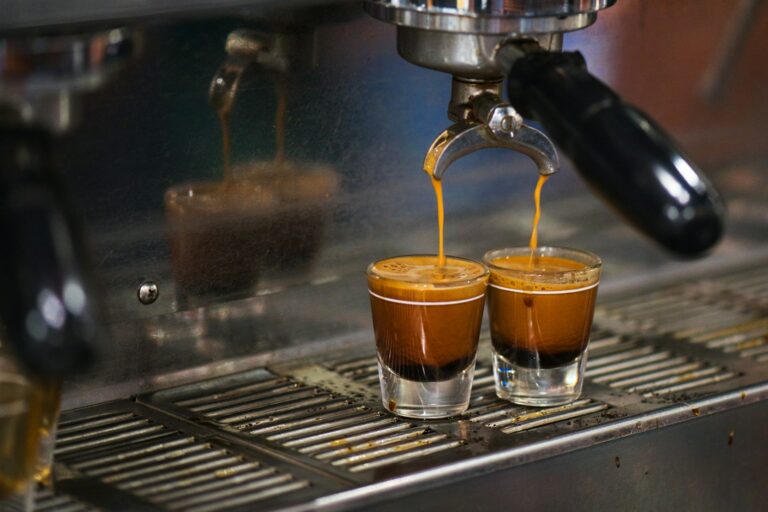
Target extraction time: 25–30 seconds for a standard double shot (18g in, 36g out). If your shot is consistently finishing under 20 seconds, it’s running too fast and under-extracting.
Espresso Shot Running Too Fast: How Short Extraction Time Causes Sourness
Shot time and grind size are tightly connected — a coarse grind causes fast shots, and fast shots cause under-extraction. But shot time is worth tracking separately as its own variable, because sometimes the grind is close but shot time is still off due to other factors like dose or channeling.
A shot finishing in under 20 seconds almost certainly tastes sour. The water simply hasn’t had enough contact time with the grounds to dissolve anything beyond the early-extracting acids.
The fix: Time every shot. If you’re consistently under 25 seconds, grind finer. If you’re between 20–25 seconds and still getting sourness, grind finer by one click and retest. Your target range is 25–30 seconds for a 1:2 ratio double espresso.
Espresso Water Temperature Too Low: How Cold Water Causes Under-Extraction
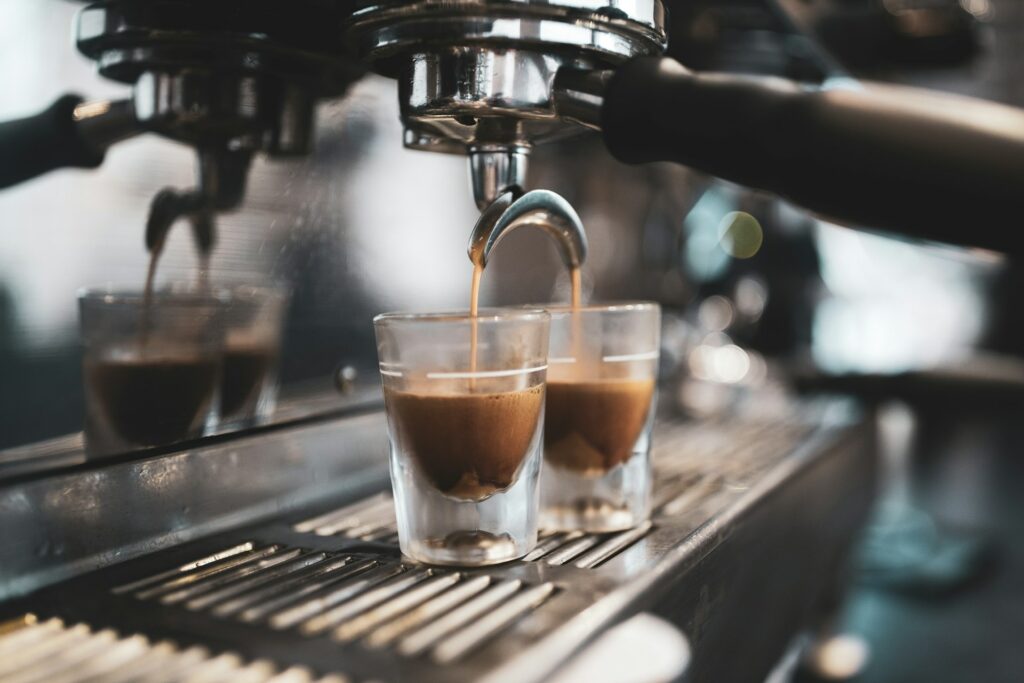
Water temperature directly controls how efficiently espresso extracts flavor compounds. Below 90°C (194°F), water lacks the thermal energy to dissolve sugars and complex flavors efficiently — extraction stalls in the acidic first stage, and the result is a sour, tea-like shot with no body.
The correct temperature range:
- Light and medium roasts: 93–96°C (200–205°F)
- Dark roasts: 88–92°C (190–198°F)
One overlooked cause of low brew temperature: pulling a shot too soon after the machine has warmed up. The group head itself needs to reach temperature, not just the boiler. On machines without PID control, pulling a blank shot (running water through the group head without a portafilter) before your actual shot helps stabilize temperature at the group head level.
The fix: If your machine has PID (Proportional-Integral-Derivative) or temperature adjustment, increase by 2–3°C and pull a test shot. If it doesn’t, allow a full 20–30 minute warm-up before pulling your first shot, and run a blank shot through the group head immediately before extracting.
Beans Too Fresh: Why Degassing Causes Sour and Uneven Espresso
This is the cause most beginners never hear about, and it catches people off guard because it feels counterintuitive — how can coffee that’s too fresh be a problem?
After roasting, coffee beans release CO₂ in a process called degassing. In the first few days after roasting, the amount of CO₂ escaping from fresh beans is high enough to disrupt water flow through the puck during extraction. The gas creates channels — uneven paths where water rushes through — causing under-extraction in most of the puck while the channeled areas over-extract. The overall result is often sour and inconsistent.
Most specialty roasters recommend resting espresso beans for 7–14 days after the roast date before using them. Beans roasted 1–3 days ago will frequently produce sour, unpredictable shots regardless of how well your technique is dialled in.
The fix: Check the roast date on your bag. If it’s less than a week after roasting, rest the beans for a few more days before pulling shots. The sweet spot for most espresso beans is 10–21 days post-roast.
Channeling in Espresso: How Uneven Puck Preparation Causes Sourness
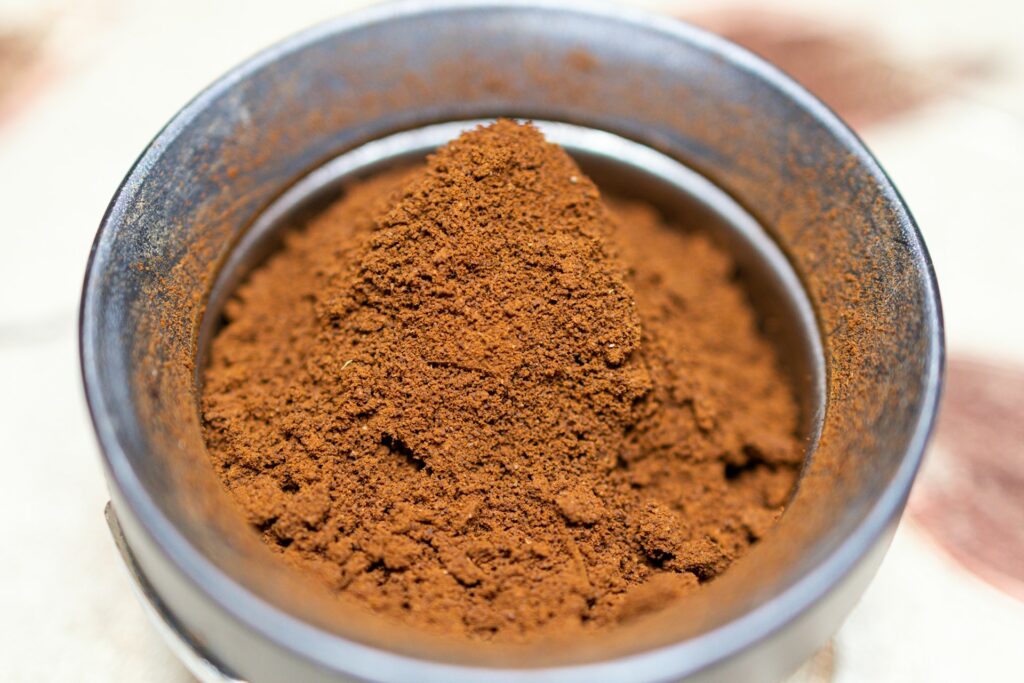
Channeling is what happens when water finds the path of least resistance through the coffee puck — usually a crack, gap, or area of uneven density — and flows through that channel instead of permeating the entire puck evenly.
When channeling occurs, most of the puck barely gets extracted (under-extracted, sour), while the channel itself gets over-extracted (bitter). The overall shot often tastes both sour and hollow, because the majority of the coffee contributed almost nothing to the cup.
Channeling is caused by:
- Uneven distribution of grounds in the basket before tamping
- Tamping at an angle rather than perfectly level
- Too little coffee in the basket leaving a thin, uneven puck
The fix: Before tamping, distribute grounds evenly in the basket. A simple technique called WDT (Weiss Distribution Technique) — using a thin needle or toothpick to stir the grounds in a circular motion before tamping — breaks up clumps and creates a more uniform bed. Then tamp level, applying consistent downward pressure rather than angling to one side.
Dose Too Low for Your Basket: How Underfilling Causes Sour Espresso
Every espresso basket has a recommended dose range. If you’re using significantly less coffee than the basket is designed for, the puck is too thin — water flows through with minimal resistance, the shot runs fast, and extraction is inevitably shallow and sour.
The fix: Weigh your dose. For most standard double baskets, the recommended dose is 18g (±0.5g). If you’ve been eyeballing, switch to a scale — dose variation of even 1–2g can noticeably affect shot quality and sourness.
How to Fix Sour Espresso: The Correct Troubleshooting Order
Work through this sequence, pulling a shot and tasting after each single adjustment:
- Check your beans — confirm they’re 7–21 days post-roast (not too fresh, not stale)
- Grind finer by one or two clicks — this is the most likely fix in most cases
- Time your shot — if it’s under 25 seconds, grind finer until you hit 25–30 seconds
- Check your dose — confirm you’re using the right amount for your basket size
- Check your puck prep — distribute grounds evenly before tamping, tamp level
- Increase brew temperature slightly — if grind and dose are correct but sourness persists
The most important rule: change one variable at a time. Adjusting grind size, temperature, and dose simultaneously makes it impossible to know what actually fixed the problem — and you’ll end up chasing your tail.
Sour Espresso vs Bitter Espresso: A Quick Reference
| Sour Espresso | Bitter Espresso | |
|---|---|---|
| Cause | Under-extraction | Over-extraction |
| Shot time | Too fast (under 20 sec) | Too slow (over 35 sec) |
| Grind fix | Go finer | Go coarser |
| Temperature fix | Increase slightly | Decrease slightly |
| Taste | Sharp, thin, lemon-like | Harsh, ashy, lingering |
Summary: Why Your Espresso Tastes Sour and How to Fix It
Sour espresso is almost always under-extraction, and under-extraction is almost always caused by grind size. A coarse grind lets water rush through the puck too quickly, extracting acids before sweetness has a chance to develop. Start by grinding finer, time your shots, and work through the troubleshooting order above before changing multiple variables at once.
The single most important takeaway: if it tastes sour, slow the shot down. Everything else follows from that.
Found this helpful? Check out our guide on why espresso tastes bitter — the opposite problem, with its own set of fixes.