How to Store Coffee Beans the Right Way: 3 Critical Mistakes to Avoid
Knowing how to store coffee beans properly is the difference between coffee that tastes the way the roaster intended and coffee that goes flat within days. Good coffee beans lose their flavor faster than most people realize, and it usually has nothing to do with the roaster or the beans themselves — it’s almost always storage. This guide covers exactly what causes coffee to go stale, how to store coffee beans correctly, and the three mistakes that quietly ruin freshness even when people think they’re doing everything right.
Why Coffee Beans Go Stale: The Four Things to Block
Coffee staling isn’t random — it’s caused by four specific environmental factors, and good storage is really just about blocking all four at once.
Oxygen oxidizes the aromatic oils and compounds in roasted coffee, and this is the fastest-acting cause of staling. Once a bag is opened and beans are exposed to air, the clock starts running.
Moisture degrades beans and encourages mold growth, and it’s the main reason the refrigerator is a bad storage location despite seeming like a reasonable idea.
Heat speeds up staling and can cause oils to evaporate faster, which is why a cabinet near the stove or dishwasher is a worse spot than a cool, stable one.
Light, particularly UV light, breaks down the flavor compounds in coffee — this is why a clear glass jar sitting on a sunny counter looks nice but quietly damages the beans inside it every day.
Block all four of these and coffee stays fresh dramatically longer than beans left in their original bag on the counter.
How to Store Coffee Beans for Everyday Use
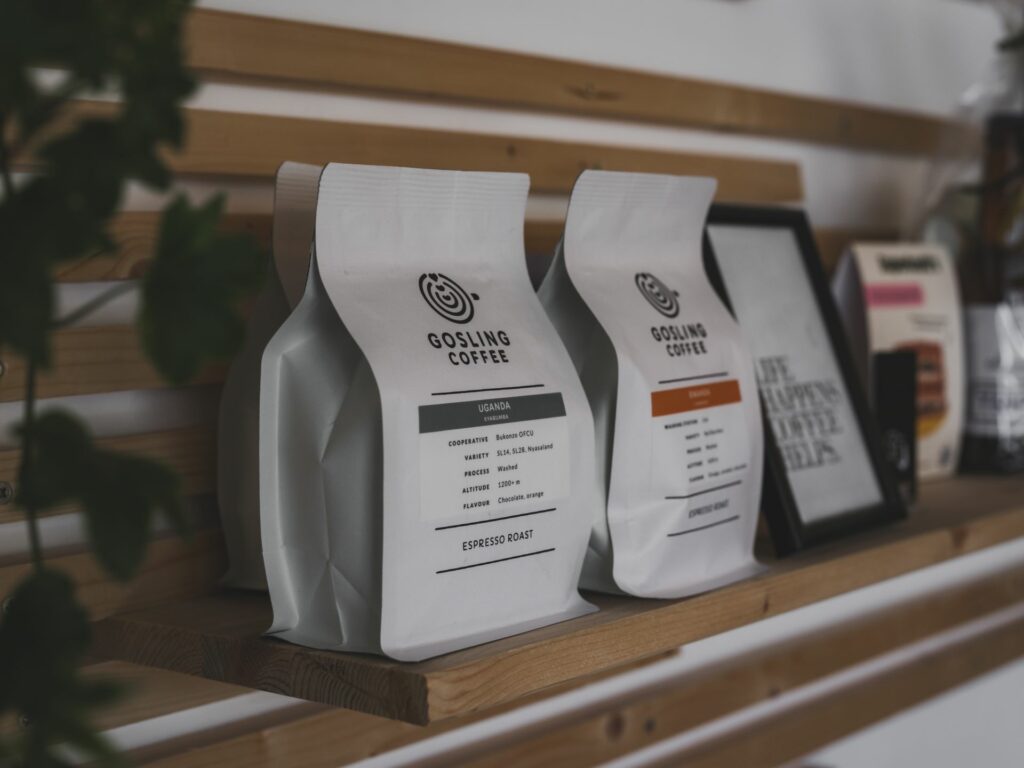
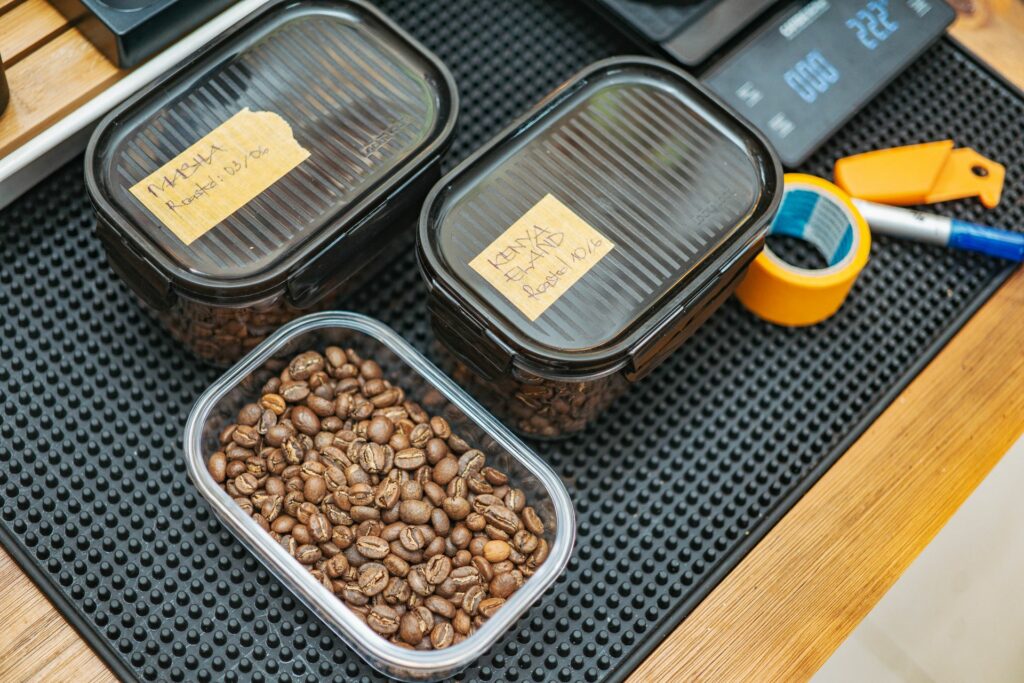
For beans you’re actively drinking through in the next few weeks, the storage solution is simple: an airtight, opaque container, kept in a cool, dark place — ideally somewhere in the 50–70°F (10–21°C) range, away from the stove, oven, dishwasher, or direct sunlight.
Should you keep beans in their original bag? If the bag has a one-way valve and reseals well, it can actually be a reasonable option — research shows valve bags preserve CO₂ and limit oxygen exposure better than simply clipping or taping an ordinary bag shut. If your coffee doesn’t come in that kind of bag, transferring it to a dedicated airtight, opaque container is the better choice.
Why opaque matters as much as airtight: a perfectly sealed clear glass jar still lets UV light degrade the beans over time. Opaque canisters block that damage entirely, which is why glass jars are better used as kitchen décor than actual storage for beans you care about.
Why the Refrigerator Is a Bad Idea for Coffee Beans
This trips up a lot of people, because refrigerating food to keep it fresh feels like an intuitive, safe default. Coffee is the exception.
Refrigerators are humid environments filled with the smells of everything else stored inside them. Coffee beans are porous and readily absorb both moisture and surrounding odors — meaning beans stored next to last night’s leftovers can genuinely start to taste like them. The temperature swings every time the door opens also cause condensation on the beans, introducing moisture that accelerates staling rather than preventing it.
The simple rule: never refrigerate coffee beans. Room temperature, airtight, and dark is the correct combination for short-to-medium term storage.
When Freezing Coffee Beans Actually Makes Sense
Freezing gets a mixed reputation, and for good reason — done incorrectly, it damages beans just as much as refrigeration does. Done correctly, it’s a legitimate option for long-term storage.
Freezing works well when:
- You’ve bought in bulk or have more coffee than you’ll use in 2–4 weeks
- Beans are divided into small, single-use or weekly-use portions before freezing
- Each portion is sealed in airtight, moisture-proof packaging, like a vacuum-sealed bag
Freezing goes wrong when:
- A single large bag is frozen and repeatedly opened, exposing beans to temperature swings and condensation every time
- Beans are thawed and refrozen multiple times
- Beans are opened and brewed with immediately after coming out of the freezer, before reaching room temperature — this causes condensation directly on the beans
Freezing can reasonably extend usable storage to three to four months when done with proper portioning and sealing. For a bag you’ll finish within a couple of weeks, freezing isn’t necessary at all — a good airtight container at room temperature is simpler and just as effective for that timeframe.
How Long Do Coffee Beans Actually Stay Fresh
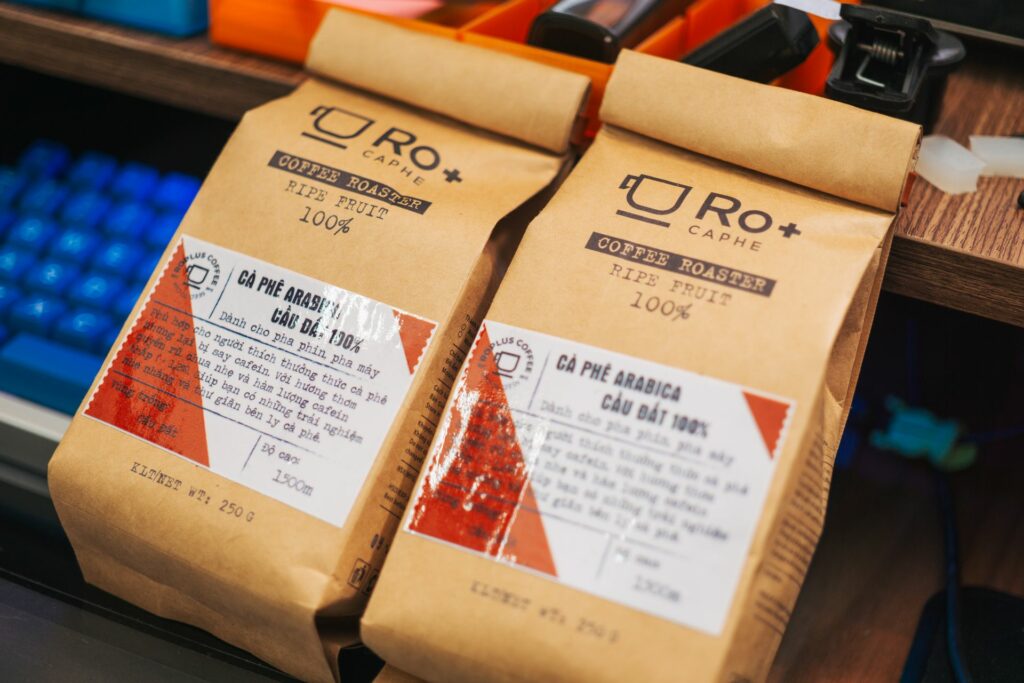
For peak flavor, most sources agree whole beans are best used within 2 to 4 weeks of the roast date — not the expiration date printed on some bags, which is a much later, more conservative cutoff that doesn’t reflect peak flavor.
Beans don’t become undrinkable after 4 weeks, but they do become noticeably flatter, less aromatic, and less complex. If you’re buying coffee to actually taste what the roaster intended, this window matters more than most people assume when they’re shopping by expiration date alone.
A useful habit: buy smaller quantities more often rather than a large bag that sits open for a month or more. Fresher, smaller batches consistently outperform a bigger bag consumed slowly, even if the per-pound price looks less efficient on paper.
The 3 Storage Mistakes That Kill Freshness
Mistake 1: Storing beans in a clear container, even if it’s airtight. Airtight alone isn’t enough — light exposure through clear glass or plastic breaks down flavor compounds over time, even if oxygen and moisture are properly blocked. Always choose opaque over clear, regardless of how good the container looks on a counter.
Mistake 2: Grinding beans in advance. Grinding dramatically increases the surface area exposed to air, which speeds up oxidation far faster than whole beans experience. Ground coffee can go noticeably stale within days, while whole beans stored properly hold their flavor for weeks. Always grind immediately before brewing, not the night before or in a large batch for the week.
Mistake 3: Treating the refrigerator as a safe default. As covered above, humidity and odor absorption make the fridge one of the worst places to store coffee, despite feeling like an intuitive choice. If beans need to last a long time, the freezer — used correctly, in sealed portions — is the appropriate option, not the fridge.
Quick Reference: Coffee Storage Do’s and Don’ts
Do:
- Store in an airtight, opaque container
- Keep beans somewhere cool, dark, and dry
- Buy whole beans and grind just before brewing
- Buy smaller quantities more frequently
- Freeze in sealed, single-use portions for long-term storage only
Don’t:
- Store beans in the refrigerator
- Use a clear glass container for daily storage
- Grind coffee in advance and let it sit
- Repeatedly thaw and refreeze frozen beans
- Judge freshness by the expiration date instead of the roast date
Summary
Coffee staling comes down to four controllable factors — oxygen, moisture, heat, and light — and proper storage is simply a matter of blocking all four. An airtight, opaque container kept somewhere cool and dark handles everyday storage well, the refrigerator should be avoided entirely, and the freezer is a legitimate option only when beans are portioned and sealed properly. Combined with buying smaller amounts more often and grinding just before brewing, these habits make a bigger difference in your cup than almost any equipment upgrade.