Why Your Espresso Tastes Bitter? — Fix It Without Buying Anything New
Bitter espresso is one of the most common complaints from home baristas, and the good news is that in the vast majority of cases, it has nothing to do with your machine. It’s a technique problem — which means it’s fixable right now, for free, with what you already have.
This guide walks through every real cause of bitter espresso, in order of how likely each one is to be your actual problem, and tells you exactly what to adjust.
Why Espresso Tastes Bitter: The Extraction Explanation
Before fixing anything, it helps to understand what’s happening chemically.
Espresso extraction pulls soluble compounds out of ground coffee in a specific order. Acids and fats extract first — these give espresso its brightness and body. Sugars extract next — these provide sweetness and balance. Plant fibers and bitter compounds extract last — these are what you don’t want too much of.
When you over-extract — meaning water pulls too much out of the coffee — you get into that third category. The result is a lingering, ashy bitterness that coats your mouth and doesn’t fade quickly.
The Specialty Coffee Association identifies the ideal extraction yield for espresso as roughly 18–22% of the coffee’s dry weight ending up in the cup. Go above that range and bitterness dominates. Every variable you control — grind size, water temperature, shot time, dose — is just a dial that moves extraction yield up or down.
The practical rule: bitter means over-extracted. Sour means under-extracted. Knowing which one you have is the entire diagnostic.
Espresso Grind Too Fine: The Number One Cause of Bitterness
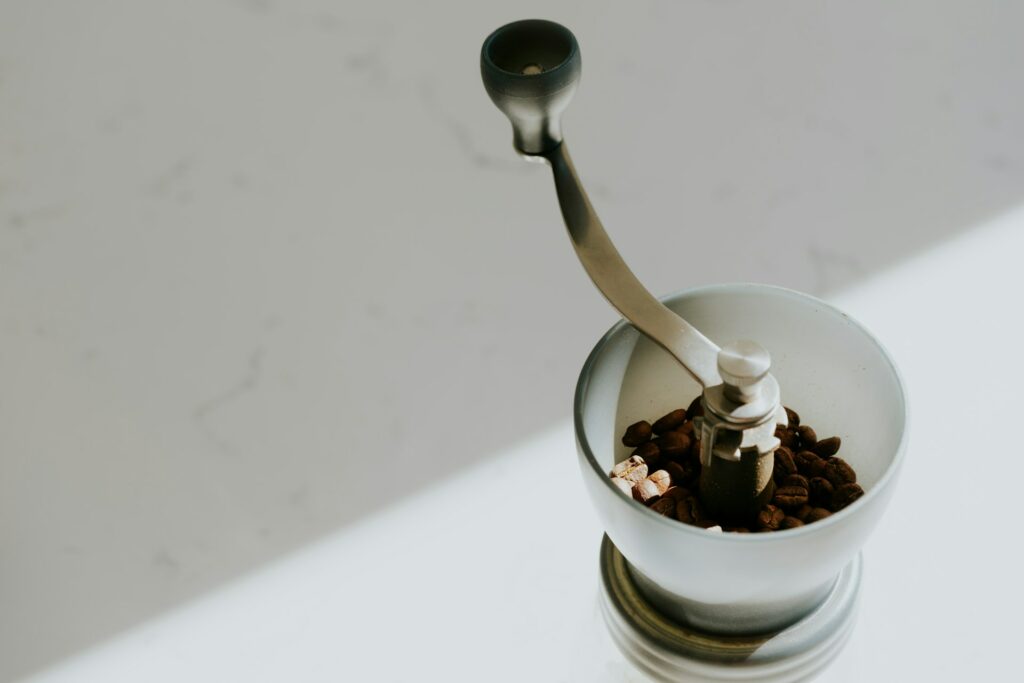
This is the number one cause of bitter espresso, and it’s the first thing to adjust before touching anything else.
A finer grind means more surface area exposed to water, which means water extracts more compounds — faster. When the grind is too fine, water struggles to flow through the puck evenly, extraction time extends, and bitter compounds dominate the cup.
The fix: Go one click coarser on your grinder. Pull a shot. Taste it. Repeat until bitterness reduces. Change only grind size — don’t adjust anything else at the same time, or you won’t know what actually made the difference.
One important note: even a few microns difference in grind size can change the flavor noticeably. Adjust in small increments, not big jumps.
Espresso Shot Running Too Long: How Brew Time Causes Bitterness
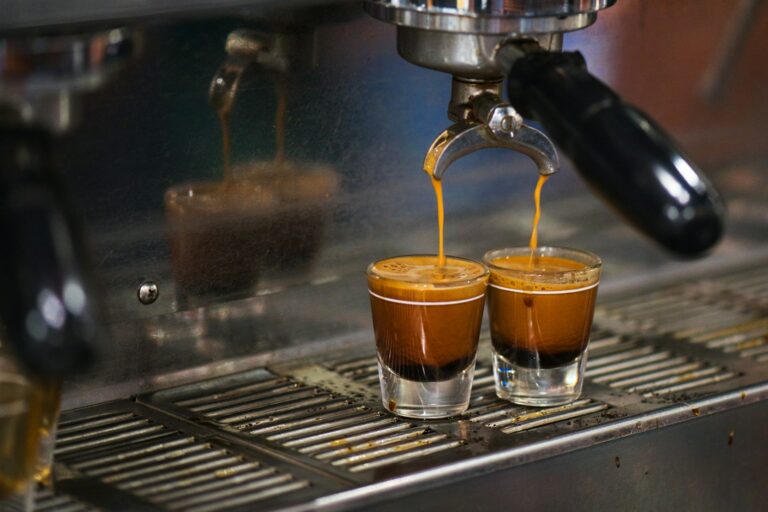
A standard espresso shot should finish in roughly 25–35 seconds. If your shot is running 40 seconds or longer, water is spending too much time in contact with the grounds and dragging out bitter compounds that should have stayed in the puck.
Shot time and grind size are tightly linked — a grind that’s too fine slows the shot down, so fixing the grind often fixes shot time at the same time.
The fix: Time your shots. If they’re running consistently over 35 seconds, coarsen your grind. If they’re running under 20 seconds and tasting sour, go finer. Your target is 25–35 seconds for a standard double espresso (18g in, 36g out).
Espresso Brew Temperature Too High: How Heat Causes Over-Extraction
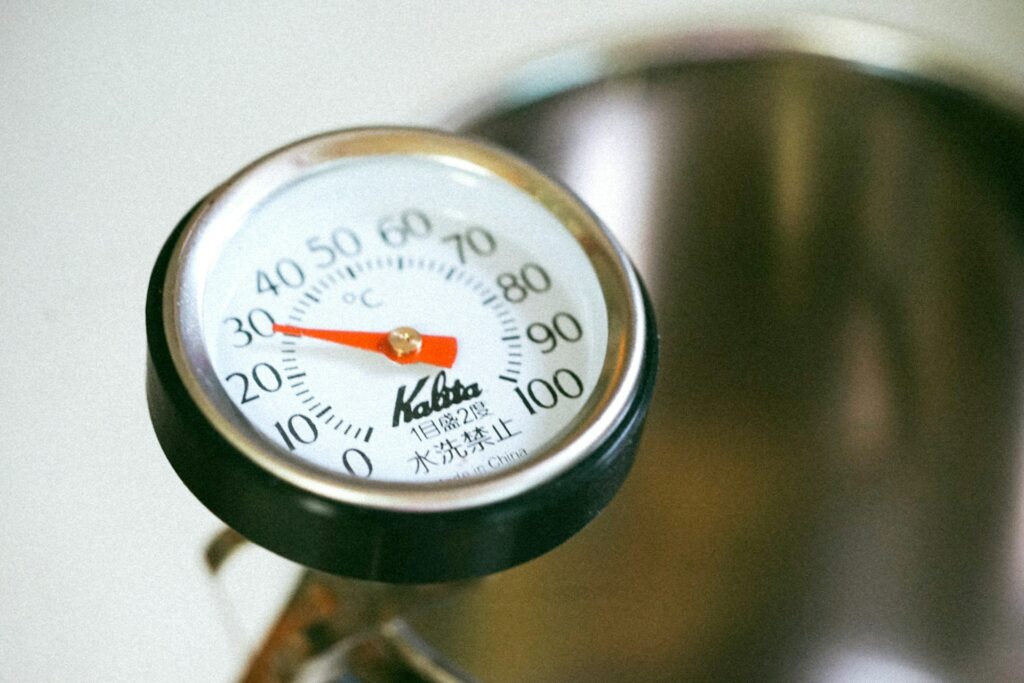
Water temperature directly controls how aggressively espresso extracts. Even 2–3°F (1–2°C) above the ideal range can push a balanced shot into bitter territory.
The correct range depends on your roast level:
- Light roasts: 200–205°F (93–96°C) — denser beans need more heat to extract fully
- Dark roasts: 190–198°F (88–92°C) — more porous from longer roasting, they extract faster and need less heat to avoid bitterness
If your machine doesn’t have PID temperature control, it may be running hotter than you think — especially right after steaming milk, when the boiler temperature spikes.
The fix: If your machine has temperature adjustment, lower it by a couple of degrees and pull a shot. If it doesn’t have temperature control, try flushing a small amount of water through the group head before pulling your shot — this releases excess heat and stabilizes temperature slightly.
Stale Coffee Beans and Dark Roasts: Why They Make Espresso Bitter
Stale coffee and very dark roasts both make over-extraction worse and harder to dial out.
Old beans: Coffee degrades after roasting. Most specialty roasters recommend using beans within 2–4 weeks of the roast date printed on the bag. Beyond that, the beans become flat, woody, and bitter regardless of technique. Check the roast date on your bag — if it’s more than a month old, even perfect technique won’t save the cup.
Very dark roasts: Dark roasts are more soluble than light roasts, meaning they release compounds faster and more aggressively. This makes them more prone to bitterness, and they have less margin for error. If you’re consistently getting bitter shots with dark roast beans, try a medium roast with the same technique and see if the problem reduces.
The fix: Use fresh beans (within 2–4 weeks of roast date) and consider moving to a medium roast if bitterness persists despite correct technique.
Dirty Espresso Machine: How Old Coffee Oils Add Bitterness
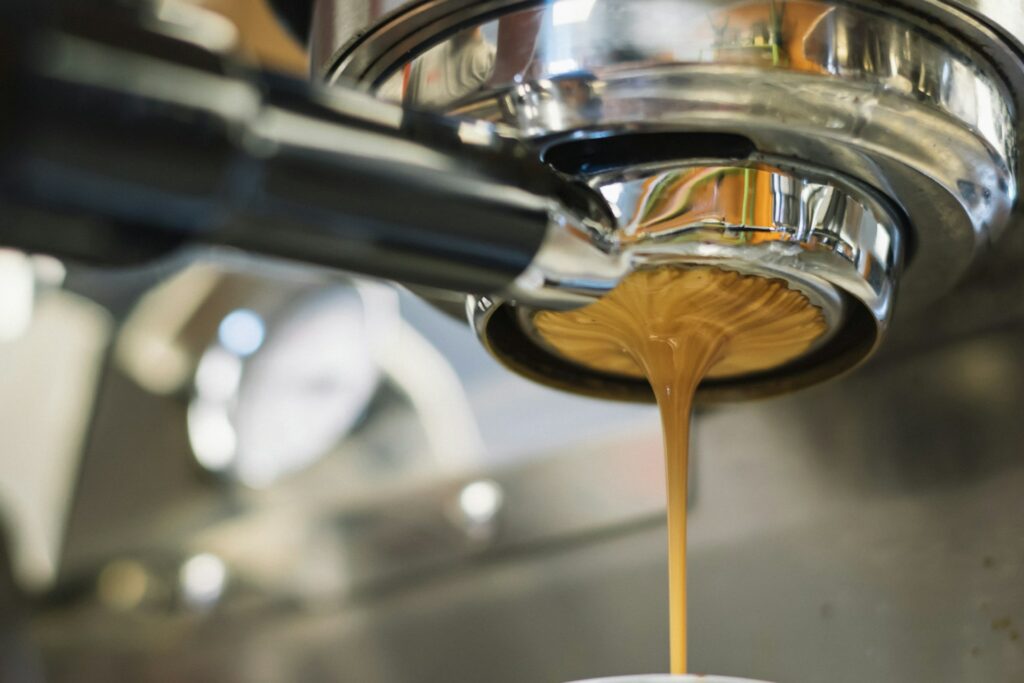
This one is easy to overlook. Old coffee oils build up inside portafilters, baskets, and group heads over time. Those oils go rancid, and rancid oils taste intensely bitter — they can make even a well-extracted shot taste off.
The fix:
- Rinse your portafilter and basket with hot water after every session
- Wipe the group head gasket with a damp cloth regularly
- Do a full backflush with espresso machine cleaner (like Cafiza) at least once a week if you pull shots daily
- Soak your basket in hot water with a small amount of cleaner once a month
If you haven’t cleaned your equipment in a while and your shots taste bitter, clean everything first before adjusting any other variables — you might find that’s the only thing that needed fixing.
Espresso Dose Too High: How Overfilling the Basket Affects Taste
Every espresso basket has a recommended dose range — usually printed on the basket itself or in your machine’s manual. Overfilling the basket creates excessive resistance, slows extraction, and increases bitterness.
The fix: Weigh your dose. If you’re using 20g in a basket rated for 18g, reduce your dose by 1–2g and pull a shot. Use a kitchen scale — even a cheap one — rather than guessing by eye.
How to Fix Bitter Espresso: Step-by-Step Troubleshooting Order
Don’t adjust everything at once. Work through this sequence, pulling a shot and tasting after each change:
- Clean your equipment — rule out dirty machine as a variable
- Check your beans — confirm they’re fresh (within 2–4 weeks of roast date)
- Coarsen your grind by one click — this is the most likely fix
- Check your shot time — target 25–35 seconds for 18g in, 36g out
- Lower brew temperature slightly — if grind adjustment doesn’t fully solve it
- Check your dose — confirm it’s within your basket’s recommended range
Change one variable at a time. Tasting after each change is the only way to know what actually made the difference.
Good Bitterness vs Bad Bitterness in Espresso: How to Tell the Difference
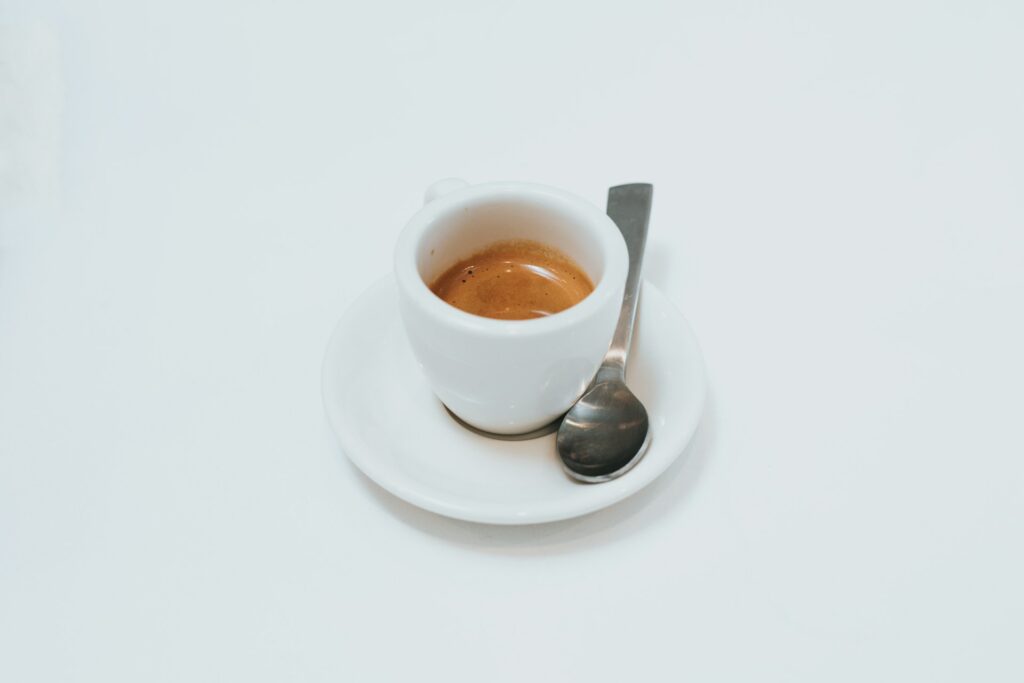
Not all bitterness is a problem. A well-extracted espresso from a dark roast will have mild bittersweet notes — similar to dark chocolate or cocoa — which are desirable and intentional. This is different from the harsh, ashy, lingering bitterness of over-extraction, which coats the mouth and doesn’t fade.
If your espresso tastes like dark chocolate, you’re probably fine. If it tastes like burnt toast or ashtray, that’s the bitterness worth fixing.
Summary
Bitter espresso is almost always over-extraction — and over-extraction is almost always caused by grind size. Start there, adjust one variable at a time, and work through the checklist above before drawing any conclusions about your machine or your beans. Most bitter espresso problems are solved with a single grind adjustment that takes thirty seconds.