Why Does My Coffee Taste Different Than the Coffee Shop’s?
If you’ve ever bought the exact same beans your favorite coffee shop uses and still ended up with a noticeably worse cup at home, you’re not imagining it, and you’re not doing something obviously wrong. Why does my coffee taste different than the coffee shop’s version, using identical beans? The answer almost never comes down to one big mistake — it’s usually several small variables stacking up at once, most of which cafés control tightly without you seeing it happen.
This guide breaks down exactly what’s different between café brewing and home brewing, and what’s actually worth fixing first.
It’s Rarely One Big Mistake — It’s Several Small Ones
Home brewers often change grind, ratio, water temperature, pour style, and brew time all in the same week, which makes it nearly impossible to know what actually helped or hurt the result. Cafés don’t have this problem, because every variable is measured, repeated, and refined constantly by someone doing it dozens of times a day.
The gap between a café cup and a home cup usually isn’t one dramatic failure — it’s four or five small inconsistencies compounding at once. Understanding what those are, and fixing them one at a time, closes the gap faster than buying new equipment ever will.
Water Quality: The Most Overlooked Variable
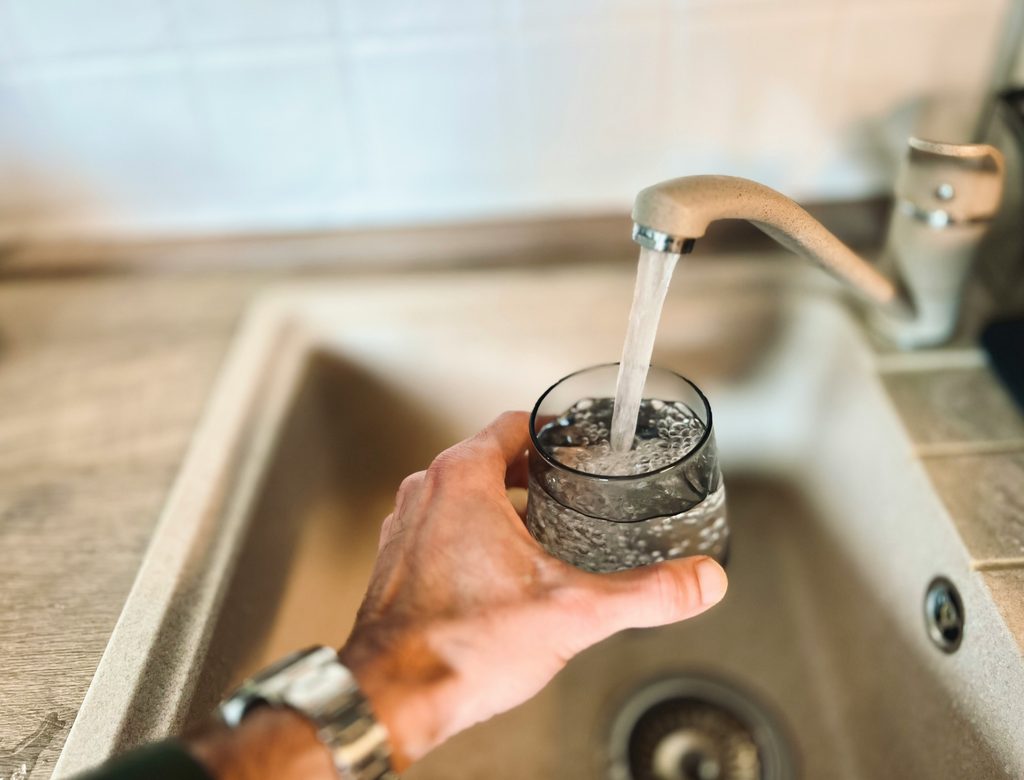
Coffee is more than 98% water, so the quality of that water has an outsized effect on flavor. Tap water containing chlorine or an unbalanced mineral content can make coffee taste metallic, dull, or flat — and most people never think to question the water, only the beans or the machine.
Cafés almost universally use filtered water with a balanced mineral profile specifically because unfiltered tap water distorts flavor and can make even great beans taste mediocre. This is one of the cheapest fixes available: switching to filtered water at home often produces an immediate, noticeable improvement, well before any equipment upgrade would.
Why Professional Machines Actually Make a Measurable Difference
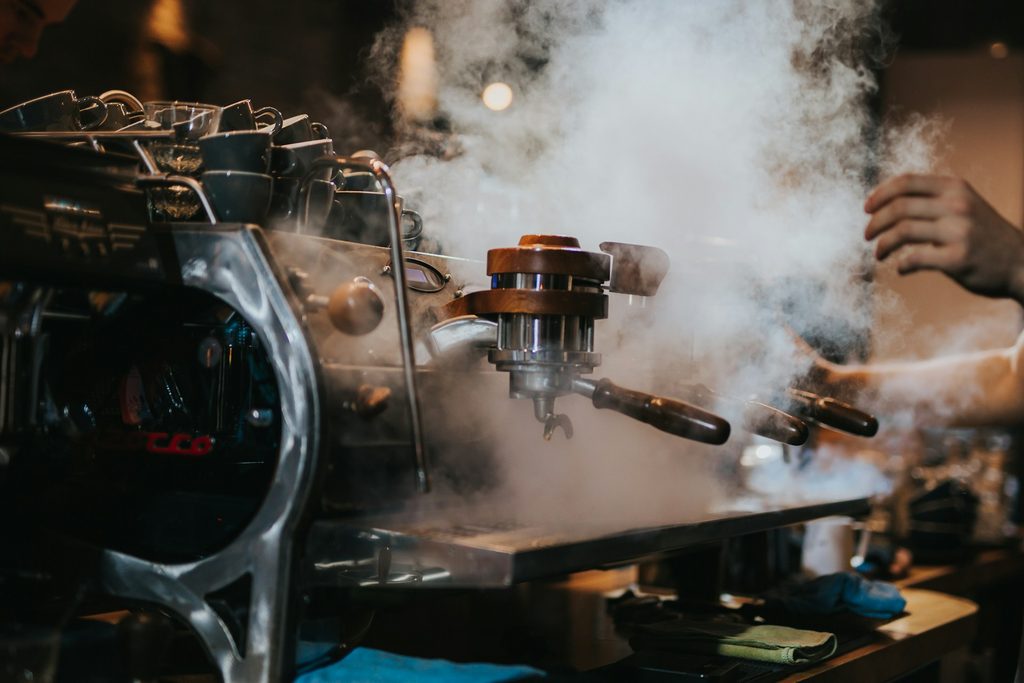
This is one area where the equipment gap is real, not just marketing. Espresso extraction happens at roughly 9 bars of pressure, and delivering that consistently — sometimes dozens of times a day — requires precise engineering. A well-made spray head distributes water evenly across the coffee grounds; a lower-end one doesn’t, which means some grounds get over-extracted and taste bitter while others stay under-extracted at the same time, in the same shot.
Professional machines also give baristas direct control over water temperature, pressure, and extraction time, and better-quality components perform the automated parts of the process — like bloom cycles and flow control — with more precision than budget home equipment.
The practical takeaway isn’t that you need commercial equipment. It’s that a home espresso machine with real temperature stability and an even water distribution (rather than the cheapest possible pump and shower head) closes a meaningful part of this gap without requiring a full commercial setup.
Bean Freshness and Turnover
Cafés typically go through beans fast enough that what’s in the hopper was roasted recently, while a bag sitting in a home pantry for weeks has already lost a meaningful amount of its original flavor. Even buying the exact same beans a café uses doesn’t guarantee the same freshness if that bag has been open on your counter for three weeks.
This connects directly to grind timing as well — grinding right before brewing, rather than in advance, keeps you closer to the freshness level a café maintains through constant turnover.
Grind Consistency: Same Beans, Different Result
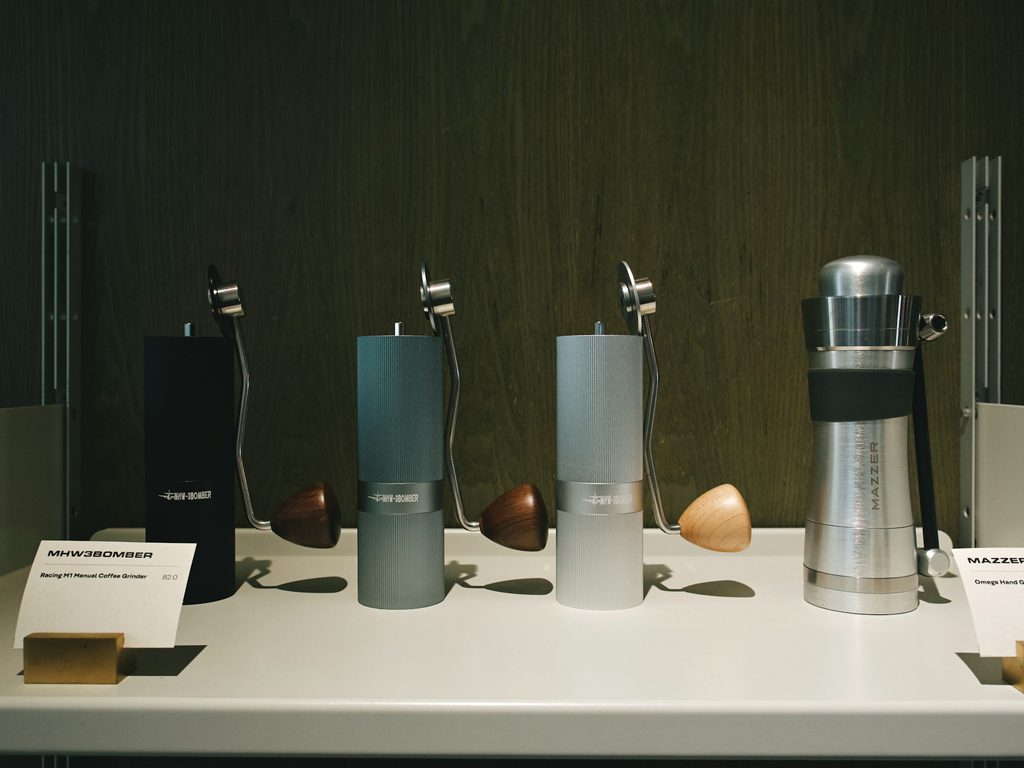
A café’s commercial burr grinder produces highly uniform particle size, shot after shot, all day. A blade grinder — or a lower-quality burr grinder — produces less consistent particles, which leads to some grounds over-extracting and others under-extracting in the same brew. This is true even when the beans themselves are identical to what the café uses.
This is one of the most fixable gaps on this entire list: a decent burr grinder, used consistently, closes a large part of the difference between a café shot and a home one, often more than any other single upgrade.
Measurement and Consistency: What Baristas Do That Home Brewers Skip
Baristas track dose, ratio, and time on every single shot, and repeat that exact recipe reliably. Home brewers frequently estimate rather than measure, and change more than one variable between attempts, which makes it impossible to build the kind of repeatable process a café relies on.
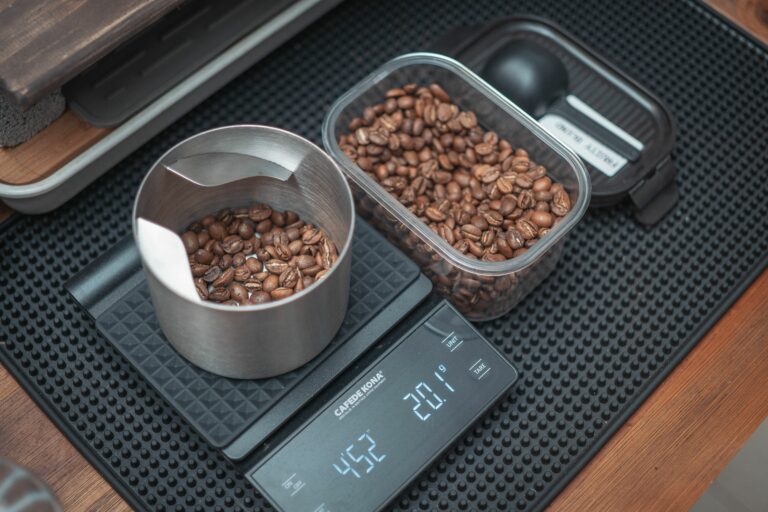
A basic kitchen scale and a consistent recipe — even a simple one — closes more of this gap than most people expect. The goal isn’t matching a café’s exact numbers; it’s brewing the same way twice in a row so you can actually taste the effect of any single change you make.
Why Iced Coffee Specifically Tastes Watered Down at Home
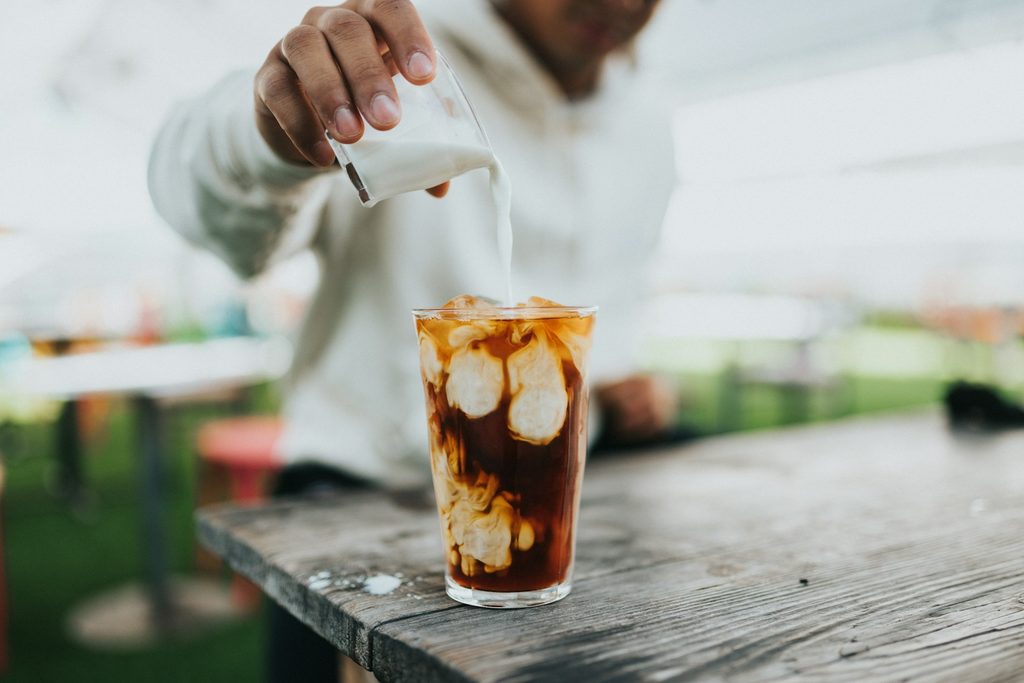
Iced coffee has its own, very specific version of this problem: dilution. Cafés brew iced coffee stronger than they would brew it hot, specifically because pouring hot coffee over ice immediately dilutes it as the ice melts. If you brew iced coffee at your normal strength and pour it over ice the same way, the result tastes noticeably weaker than what a café serves, even with identical beans.
A simple home fix: brew slightly stronger than usual for anything going over ice, or let hot coffee cool for 10–15 minutes before adding ice, which reduces how much the ice needs to melt to cool the drink down.
The Environment Factor (It’s Small, But It’s Real)
One thing that’s easy to dismiss but genuinely affects perceived taste: attention. Coffee sipped slowly while sitting down, noticing aroma and flavor, tends to taste better than the same coffee consumed quickly as background fuel while doing something else. This isn’t a replacement for good brewing technique, but it is part of why a café cup can feel more enjoyable even when the actual brewing quality gap is smaller than it seems.
What to Actually Fix First (In Order)
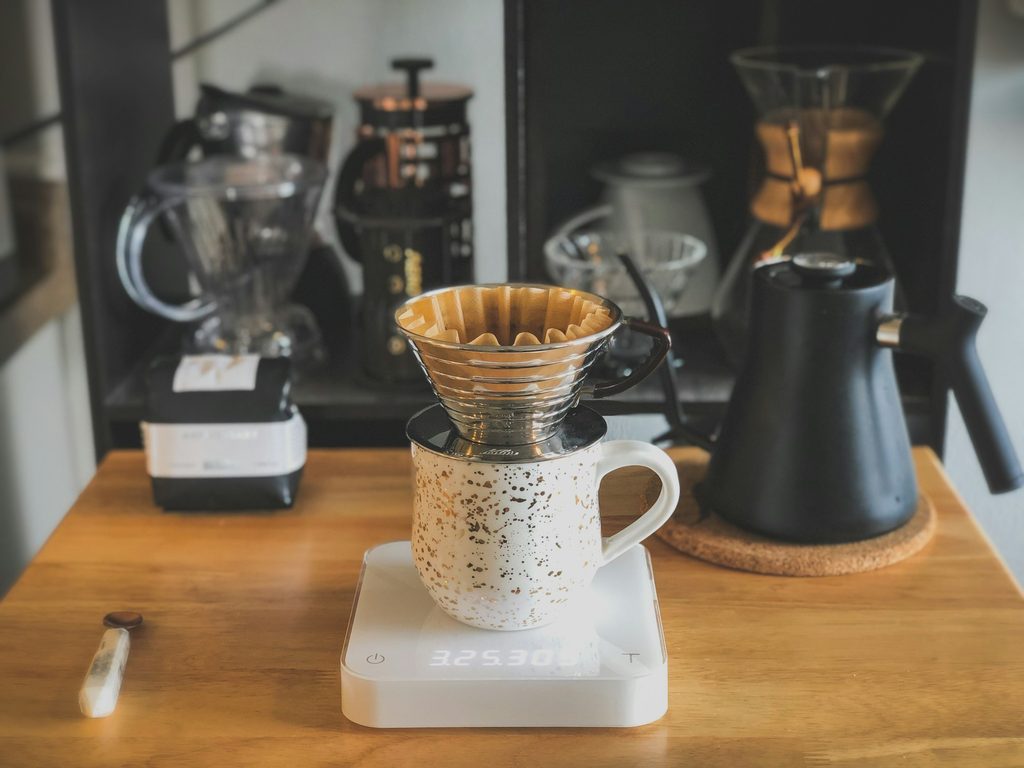
Rather than changing everything at once, work through these in order, since each one has a different cost and a different impact:
- Switch to filtered water — free or nearly free, and often produces an immediate improvement
- Buy fresher beans, more often — smaller quantities, used within a few weeks of the roast date
- Grind right before brewing — not the night before, not in a large batch
- Weigh your coffee and water — a basic scale removes the guesswork that makes results inconsistent
- Change one variable at a time — grind, ratio, or temperature, never all three together
- Consider your machine or grinder last — only after the cheaper fixes above are already in place
Most of the gap between café coffee and home coffee closes with the first four steps, none of which require new equipment. If your current machine is part of the problem, the guide on the best espresso machines under $300 breaks down what to look for. And if measurement is the missing piece, the guide on the best coffee scales under $60 covers what actually matters when choosing one.
Summary
Why does my coffee taste different than the coffee shop’s, even with the same beans? Because a café controls several small variables — water quality, bean freshness, grind consistency, measurement, and machine precision — that most home setups leave inconsistent. None of these require a commercial setup to fix. Filtered water, fresher beans, a decent grinder, and a kitchen scale close most of the gap, and they’re a lot cheaper than buying professional equipment to chase the last few percent.